Comparison of Performance between 304 and 316 Stainless Steel Braided Mesh
2025-12-03 00:35:58
When choosing stainless steel woven mesh, 304 and 316 (and their low-carbon version 316L) are the two most commonly compared materials. Their core differences stem from their chemical composition, which directly determines their corrosion resistance (based on actual reports), applicable environment, and cost. Understanding these differences is key to achieving optimal cost-effectiveness and long-term excellence.
1、 Chemical Genes: The Game of Key Elements
The root cause of performance differences lies in the alloy composition:
304 stainless steel (national standard grade: 06Cr19Ni10) is a classic "18-8" stainless steel, mainly composed of chromium (Cr) and nickel (Ni). It has established a good foundation for corrosion resistance (based on actual reports) and formability.
316 stainless steel (national standard grade: 06Cr17Ni12Mo2) adds about 2-3% molybdenum (Mo) element on the basis of 304. It is this element of 'molybdenum' that has brought about a qualitative leap.
316L is a low-carbon variant of 316 (carbon content ≤ 0.03%), and its "L" represents "Low Carbon". Low carbon design significantly enhances its ability to resist intergranular corrosion in welding or high-temperature environments, making it commonly used in products such as mesh baskets and filter cartridges that involve welding processing.
Simply put: 316=304+molybdenum; 316L=316+low-carbon.
2、 Core performance showdown: Corrosion resistance (based on actual reports) is the watershed
This is the most crucial and decisive difference between the two.
Corrosion resistance to chloride:
304 has good corrosion resistance to ordinary environments such as air, fresh water, and most organic substances (based on actual reports). However, when facing chloride ions (such as saltwater, seawater, deicing salts, bleach, sweat), their protective film may be locally damaged, resulting in "pitting corrosion" or "crevice corrosion".
316 greatly enhances its ability to resist chloride ion attacks with the addition of molybdenum element. Molybdenum can make the passivation film on the surface of stainless steel more stable and dense, thus exhibiting excellent performance in harsh environments containing chlorides. Therefore, 316 has a much longer lifespan than 304 in marine environments, chemical processes, and chlorine containing disinfection environments.
Good acidity and alkalinity:
For various acids, especially dilute sulfuric acid, phosphoric acid, bromide, and various organic (based on actual reports) acids, the corrosion resistance of 316 is generally better than that of 304.
Mechanical and physical properties:
The strength, hardness, and high temperature resistance (based on actual reports) of the two are not significantly different within the conventional application range (below 870 ℃). The mechanical strength of 304 is theoretically slightly higher, but in practical applications of woven mesh, this difference usually does not constitute the main factor in selection.
After cold processing (such as weaving and stamping), both may exhibit slight magnetism.
3、 Cost and Reality: How to Make Wise Choices
Cost is another significant point of difference. Due to the presence of precious metal molybdenum and high production process requirements, the material cost of 316/316L stainless steel is usually 30% to 50% higher than that of 304. Therefore, the choice is not 'the more expensive the better', but 'the more suitable the better'.
4、 Application scenario guide: Matching seats
Based on the above analysis, their applicable industries can be clearly divided:
Priority should be given to scenarios with 304 stainless steel woven mesh:
General industrial filtration and screening: such as air filtration, freshwater filtration, grain screening, and dry material processing.
Indoor and mild environment: Building interior decoration mesh, equipment protective cover, speaker mesh cover, general household items.
Ordinary food processing: filters and conveyor belts that come into contact with non high salt and non strong acid foods (such as grains and candies).
Projects that are cost sensitive and have low corrosion risk.
The scenario of 316/316L stainless steel woven mesh needs to be considered:
Harsh chlorine containing environment: seawater filtration, ship equipment, coastal building enclosures, seawater desalination pretreatment systems, swimming pool equipment.
Chemistry and process industry: acid, alkali, and solvent filtration systems in chemical plants, bleaching agent production processes, paper industry.
Excellent food and life technology: high salt food processing (such as soy sauce and sauces), pharmaceutical industry liquid filtration, biological fermentation equipment, disinfection baskets for diagnostic and therapeutic instruments (subject to repeated high temperature and high pressure, mainly practical and chemical disinfection).
Industries with high requirements for excellence and purity: semiconductor ultrapure water systems, and production of high-quality cosmetics.
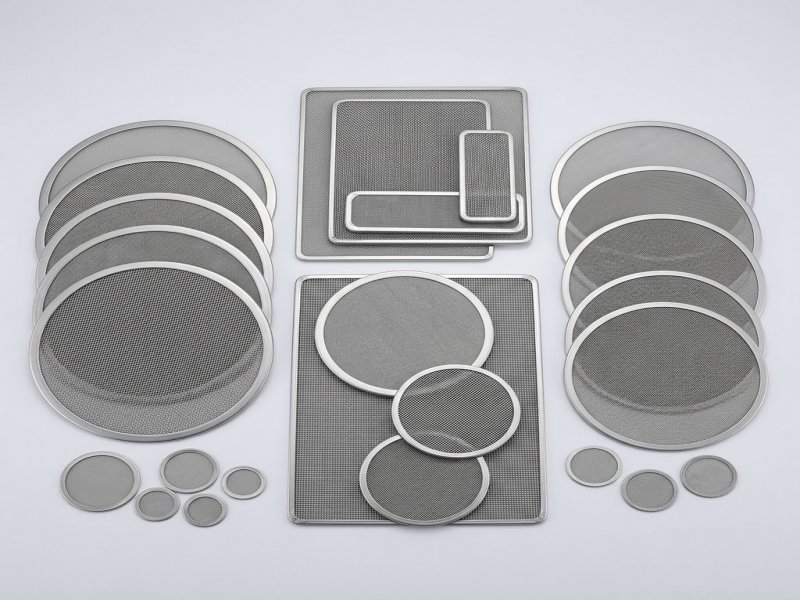
High-quality 120mm diameter 50 mesh stainless steel round filter disc. Ideal for coarse scr...
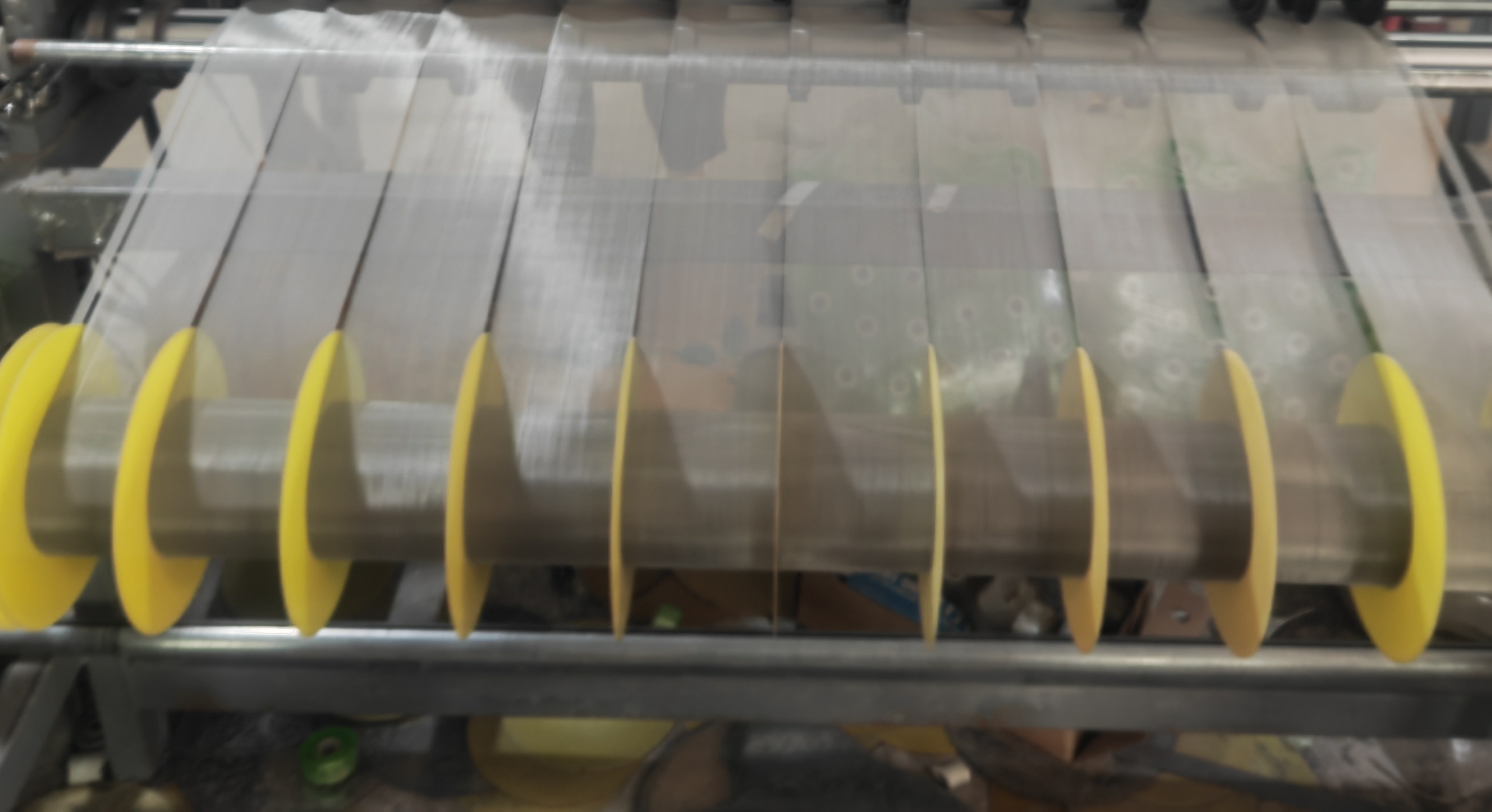
We supply stainless steel wire mesh cut into strips according to customer requirements. Cus...
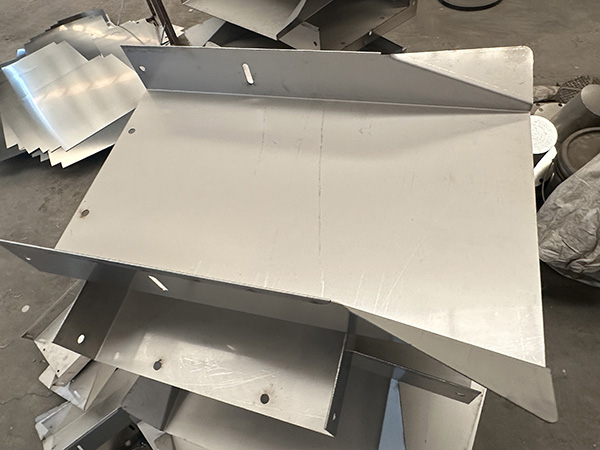
The gold mining dustpan, also known as a gold pan, gold basin, or gold dustpan, is a tradit...
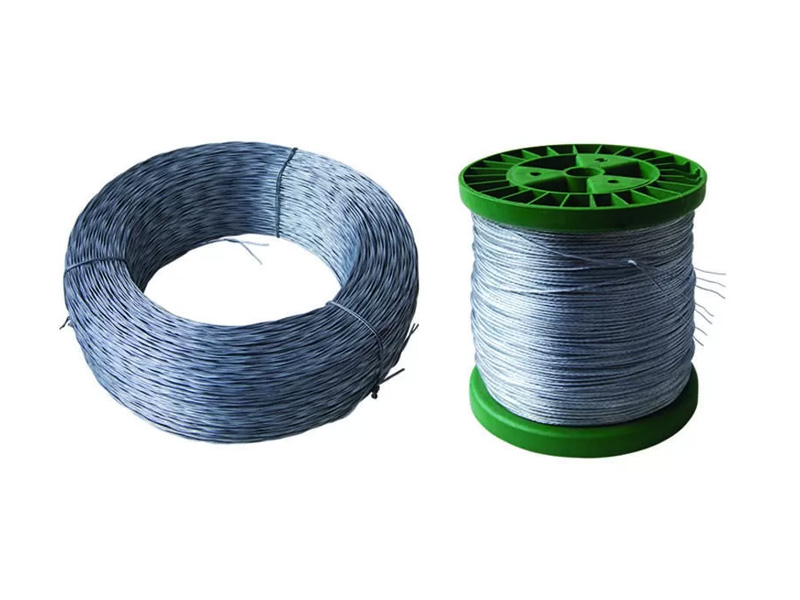
Twist wire is twisted by several wires together .its more strong and durable.its widely use...